Navigating the Journey: Essential Resources and Support for Cancer Survivorship and Wellness
Cancer survivorship is much more than just living through the diagnosis and treatment; it’s about thriving in the aftermath. As a cancer survivor, you might find yourself grappling with countless questions: "What does my future look like? How do I ensure that I remain cancer-free?" The journey beyond cancer is not just about recovery; it’s about embracing wellness and living life fully. In this space, we will explore essential resources that empower cancer survivors to reclaim their lives, grow their resilience, and nurture their well-being post-treatment.
In the realm of oncology, education is a powerful tool that can unlock doors to better health. Cancer survivors often find themselves inundated with information during their treatment, but as the dust settles, knowing where to turn for credible information becomes crucial. Resources such as the American Cancer Society and the National Cancer Institute provide a wealth of guides on everything from nutrition to mental health support. Understanding tumor biology and treatment options through research and education can equip survivors with the knowledge they need to navigate their recovery and make informed decisions about their lifestyle and health.
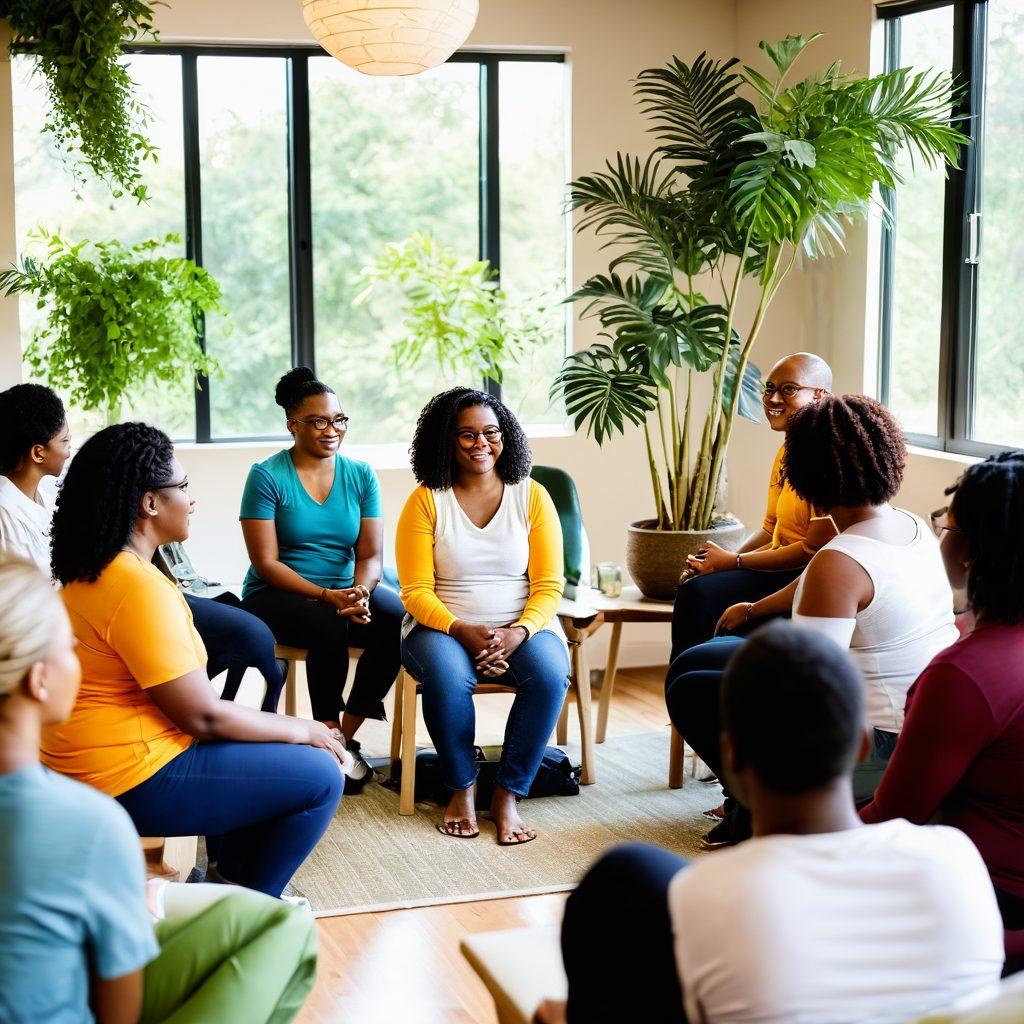
Community support can never be underestimated. As simple as it may sound, connecting with fellow cancer survivors can create a profound sense of belonging and provide a safe space to share experiences and challenges. Whether it’s through support groups, local meet-ups, or online forums, survivors can access guidance and solidarity that fosters resilience. This support system not only eases the emotional burden but can also inspire survivors to engage in self-care routines that improve their quality of life. After all, as Helen Keller once said, "Alone we can do so little; together we can do so much."
Nutrition plays a pivotal role in the recovery and wellness journey. Cancer treatments can take a toll on the body, affecting appetite and taste. However, maintaining a balanced and nutritious diet is vital for rebuilding strength and enhancing overall health. Engaging with dietitians who specialize in survivorship can offer tailored advice on how to optimize nutrition to fight potential recurrences of malignancy. Additionally, embracing cooking as a self-care activity can not only improve health but can also be a therapeutic outlet for creativity and mindfulness.
Finally, don’t forget the value of continued oversight through healthcare professionals. Regular check-ups, screenings, and participating in clinical trials can provide survivors a systematic approach to monitor their health post-treatment. The world of cancer research is ever-evolving, with new findings that can lead to innovative interventions and therapies. In this quest for wellness, never hesitate to reach out for mentorship and guidance from those who have walked the path before you. Remember, the journey of survivorship is ongoing, and with the right resources, you can indeed thrive beyond cancer.
From Treatment to Triumph: Building a Supportive Community for Wellness
The journey from treatment to triumph is not just a personal victory; it’s an entire community effort. For individuals navigating the convoluted terrains of cancer, finding a supportive community can be as pivotal as the therapy they receive. As we explore how to build a supportive community for wellness, we must recognize that this journey is about resilience, shared experiences, and new beginnings. In the face of malignancy and the challenges posed by various carcinomas, we are afforded the opportunity to uplift one another, create awareness, and foster an environment that prioritizes health and well-being.
Imagine a circle of individuals bound by a shared experience — each story unique, yet all woven together by the common thread of survivorship. Isn’t it amazing how when one person overcomes a tumor or malignancy, their victory can inspire another? This sense of belonging can serve as a powerful motivator in recovery. Surrounding yourself with fellow survivors offers not just support, but an invaluable wealth of information and guidance. Whether through local support groups or online forums, these connections can enhance your knowledge on healthcare options, clinical trials, and emerging research, providing hope and empowerment in your ongoing journey towards wellness.
Crucially, engaging with a supportive community also provides paths to education and awareness about self-care and lifestyle choices that promote recovery. Questions often arise around nutrition, mental health, and lifestyle adjustments after treatment. What became evident during my exploration of survivorship is that acknowledging one’s health requires an integrated approach. It’s about understanding the impact of therapy not just on the body, but on the mind and spirit as well. As you share and receive insights with others, you discover new interventions that better your quality of life, sparking a renewed sense of purpose and hope.
Moreover, mentorship can play an influential role in fostering a community of wellness. Picture being mentored by someone who once stood where you are now — feeling lost amidst the myriad of available therapy options, only to have found their way through resilience and support. Through their experiences, you can gain actionable strategies and practices that you may not have considered before, enriching your personal journey with their wisdom. Seeking out mentors who have successfully navigated their cancer journey can provide critical guidance and encouragement during challenging moments.
Ultimately, building a supportive community for wellness extends beyond sharing stories; it is about fostering an environment filled with love, understanding, and shared goals. Each member contributes to a collective strength focused on recovery and improved well-being. As we prioritize our health through education, connection, and resilience, we create not just individuals who survive cancer, but a formidable network that thrives together, celebrating each triumph along the way. So, let’s ask ourselves: how can we become catalysts for change in our communities and uplift those around us who face similar battles? Let’s join hands and transform our narrative from one of survival to one of thriving.
Resilience in Recovery: Essential Guidance for Cancer Survivorship and Healthy Living
Every journey through cancer, whether as a patient or a caregiver, unveils a series of challenges that test our resilience and spirit. The path to survivorship is not merely a destination; it's a richly woven tapestry of experiences requiring strength, support, and informed choices. As you navigate these uncharted waters, 'Resilience in Recovery' is not just a catchphrase—it's an essential mantra. How can we harness it to ensure our well-being in the aftermath of treatment? Let’s explore the profound resources and guidance available to help you forge a strong foundation for a renewed life.
Right after the thunderous news of a malignant tumor, the world often feels like it's turned upside down. A whirlwind of emotions ensues, and the journey of recovery starts. But what happens after treatment? It's crucial to embrace the concept of survivorship, which signifies not just overcoming cancer but thriving post-cancer. As famed author, Maya Angelou once said, 'You may encounter many defeats, but you must not be defeated.' This is the essence of resilience—transforming your experience into an opportunity for well-being and growth.
Awareness and education stand as pillars for any survivor. Understanding the types of carcinoma and the various treatment options enables you to make informed decisions about your recovery. Engaging with credible research, participating in clinical trials, and joining support groups lead to a wealth of shared knowledge that can propel your journey. Have you explored your local healthcare resources? Every community boasts various programs designed to provide emotional support and practical guidance. Your first step toward recovery could be attending a wellness workshop or speaking with a mentor who knows the terrain well.
Nutrition and self-care play pivotal roles in enhancing the quality of life after diagnosis. The road to recovery is paved with choices that focus on empowering our bodies and minds. What does your plate look like? Incorporating a balanced lifestyle rich in fruits, vegetables, whole grains, and lean proteins can create a powerful intervention against fatigue and stress. Not only does it offer nourishment, but it symbolizes control—something that cancer treatment often strips away. It’s time to reclaim that power in your life and cultivate habits that uplift your spirit.
Finally, let us not forget the importance of community in the journey of cancer recovery. Those who have walked this path often share invaluable perspectives, advice, and connections. 'We are not alone in our journey,' is a truth every survivor should realize. The support and mentorship you find in community can illuminate your way towards healing, while also reinforcing resilience. Always remember, your journey may be unique, but your strength and spirit are part of a larger tapestry weaving together stories of survival and hope.